

Mandatory safety systems in new cars: emergency braking, speed assist and lane support
The European Union's General Safety Regulation made many driver-assistance systems, the building blocks of autonomous driving, mandatory in new cars. Which ones, and how do they work?
The European Union's General Safety Regulation (GSR2) made a series of safety systems mandatory for newly approved models from July 2022 and for all new cars sold from July 2024. The list includes intelligent speed assistance (ISA), driver drowsiness and attention warning, emergency lane keeping, reversing detection, emergency stop signal, an event data recorder and autonomous emergency braking (AEB). These are the driver-assistance technologies that also form the foundation of autonomous driving.
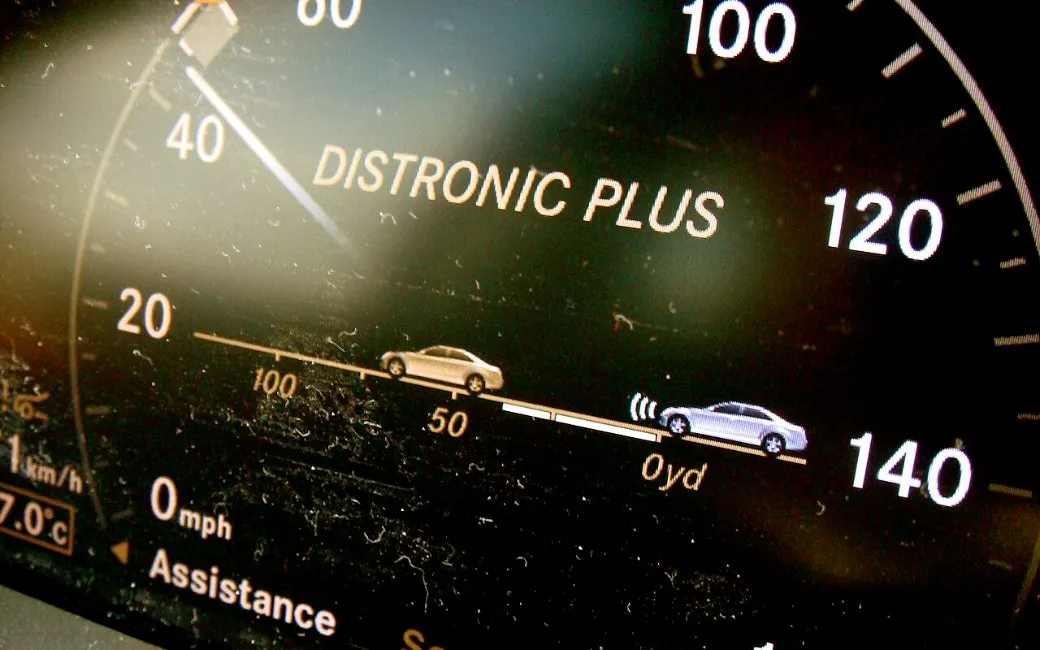
Autonomous emergency braking uses a camera and radar to watch vehicles and obstacles ahead; if the driver does not react, it first warns and then brakes on its own. Emergency lane keeping gently steers the car back into its lane when it is about to drift out and there is a danger. Intelligent speed assistance reads traffic signs with a camera, combines them with map data and warns the driver when the speed limit is exceeded. The driver can switch it off, but by regulation it starts up switched on every time the car is started.
These systems are effective at preventing accidents, but they do not replace the driver, and they all depend on cameras and sensors working correctly. After a windscreen replacement or a bumper repair, the camera and radar may need to be recalibrated; skipping this step can make the systems react wrongly or too late. Independent testers such as Euro NCAP are also giving the performance of these systems more and more weight in their star ratings.