

Choosing rally tyres: the right pick for tarmac, gravel and snow
In rallying, tyres are the finest line between winning and losing. How do tyre types, limited tyre allocations and road sweeping shape strategy?
Because road conditions in rallying can change even within a single day, tyre choice is one of the most critical decisions. Tarmac tyres resemble circuit tyres but are not completely smooth; they have tread to clear water. Hard and soft compounds are offered: the soft compound warms up and grips faster in cold, damp weather, while the hard compound lasts better in heat and on long stages. Separate tyres with deeper tread are used for rain.
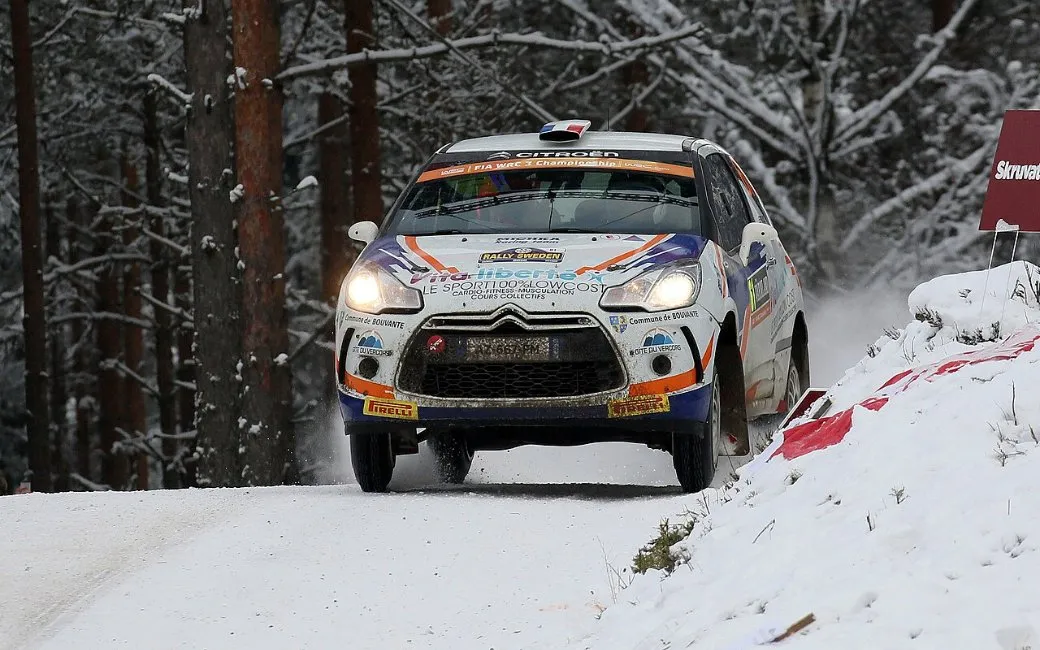
Gravel tyres have taller sidewalls and deeper, blockier tread, and they are built to resist rocks and sharp edges. Here too teams choose between soft and hard compounds, with the hard compound favoured on abrasive, stony surfaces. On snow and ice, studded tyres are used. In some rallies, such as Monte Carlo, dry tarmac, ice and snow can appear in the same loop, so crews make very difficult decisions mixing studded, winter and tarmac tyres.
The rules limit the number of tyres that can be used at each rally. Before each loop between services, the team decides which tyres to fit and how many spares to carry. An extra spare means safety but also weight. Gravel rallies add the road-sweeping effect: the first cars on the road clear the loose gravel, and those starting further back find a cleaner, grippier surface. That is why the running order directly affects tyre and pace strategy. In the end, the best tyre is the one the driver can look after through the whole stage: needless wheelspin and sliding wear it out before the finish.