
Hybrids from track to road: the hybrid experience of F1, Le Mans and the WRC
In motorsport, hybrid technology is used not only for performance but also for know-how that flows into road cars. The hybrid story of three major series.
Formula 1 has used 1.6-litre V6 turbo hybrid power units since 2014. With the new rules introduced in 2026, the complex MGU-H, which harvested energy from the exhaust turbo, was dropped, while the power of the MGU-K, which harvests braking energy, was raised to 350 kW. The electric share of total power has moved close to that of the combustion engine, and the engines run on fully sustainable fuel. The change has opened a new era in which racing is built around energy management.
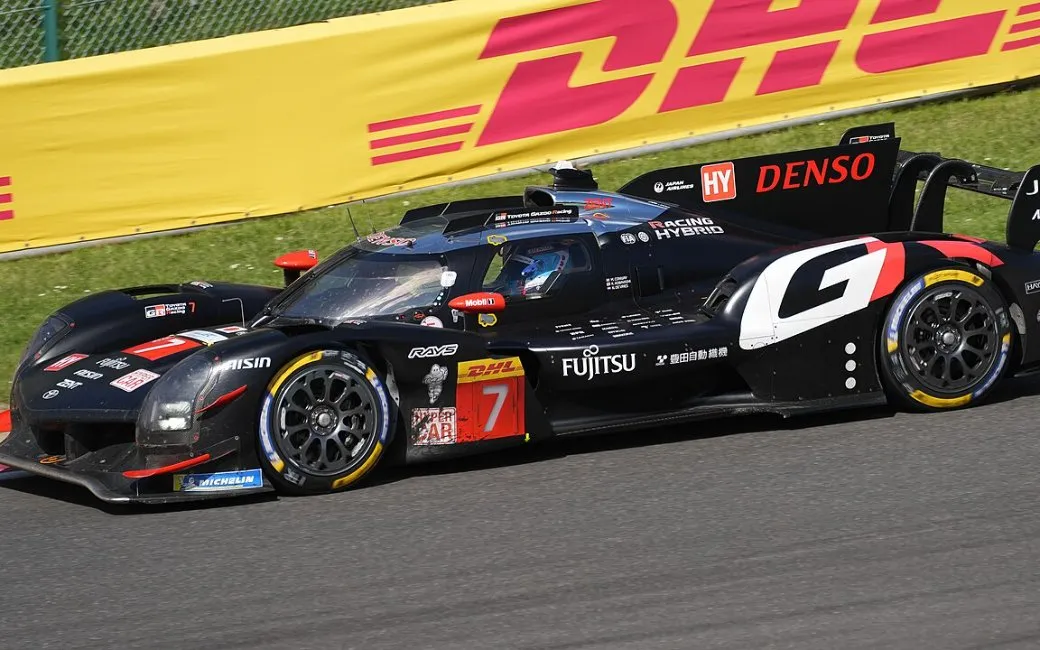
In endurance racing, the Hypercar class that includes the Le Mans 24 Hours brings two approaches together. In LMDh cars a common hybrid system used by every manufacturer supports the rear axle. In some cars built to LMH rules, an electric motor drives the front axle and turns the car into a four-wheel drive above certain speeds. What matters here is not peak power but running at the same efficiency hour after hour, day and night.
Rallying went through the same experience. The Rally1 cars introduced in 2022 had a 100 kW electric motor and a 3.9 kWh battery; drivers used extra power on the stages and drove purely on electricity in service parks and on some road sections. Because of cost and complexity, these hybrid units were removed for the 2025 season. Those years were not wasted: the knowledge gained in fast energy recovery, battery cooling and energy-management software is now flowing directly into the hybrid and electric systems of road cars.