
The 6 levels of autonomous driving: what changes from Level 0 to Level 5?
The word autonomous is used a lot, but whether the driver or the car is responsible depends on the level. We walk through the SAE standard step by step.
Levels of driving automation run from 0 to 5 under the J3016 standard of SAE, the US engineering body. At Level 0 the car only gives warnings, such as lane departure or blind-spot alerts. At Level 1 the system helps with one task: it manages either speed and following distance (adaptive cruise control) or steering (lane centring). At Level 2 both work together. But at this level the driver must watch the road at all times and be ready to step in. Even some systems that let you take your hands off the wheel are still Level 2.
The real threshold is Level 3. Here, under certain conditions such as on a motorway below a given speed, responsibility for driving passes to the system. The driver may look away from the road but must take back control within a short time when the system asks. Mercedes-Benz and BMW offer approved Level 3 systems in Germany for certain motorway conditions. The full set of these conditions is called the operational design domain.
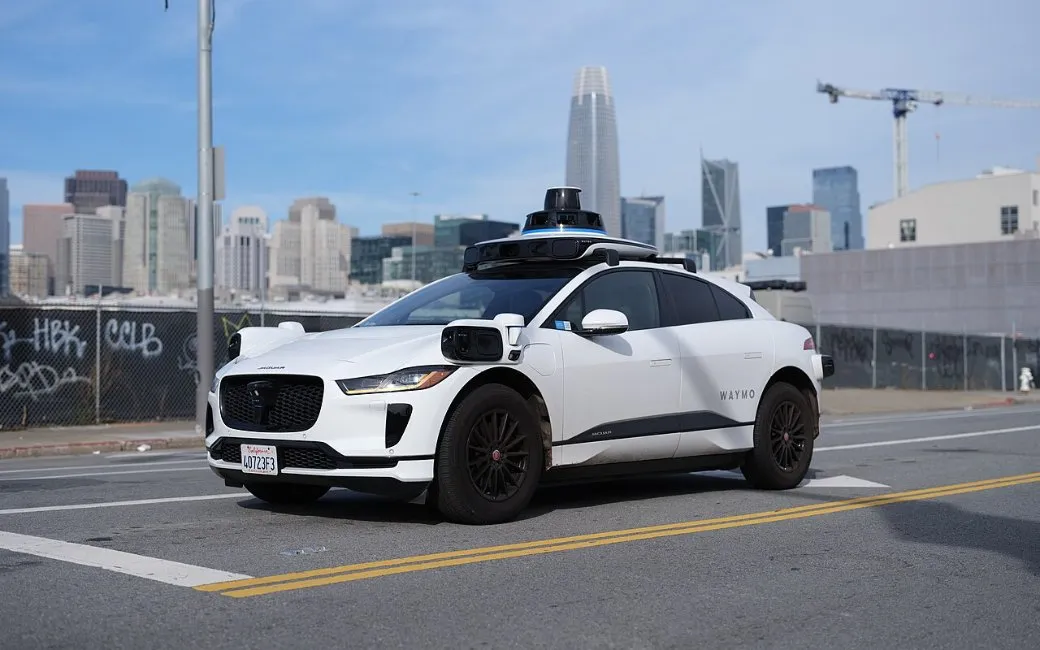
At Level 4 the vehicle can operate with no driver at all within a defined area and set of conditions. Driverless robotaxis offering paid rides in several US cities are the best-known example. Level 5 means full autonomy as capable as a human driver on any road and in any weather, and no manufacturer offers it today. One point to remember: marketing names do not indicate the level. The safest way to know what level your car's system is and what it expects from you is the owner's manual.