
How does an autonomous car see? Cameras, radar and lidar
Driver-assistance systems and autonomous vehicles perceive their surroundings with a combination of sensors. We explain the strengths and weaknesses of each.
The camera is the eye of autonomous driving. It is the only sensor that can recognise lane markings, traffic signs, lights and pedestrians by their colour and shape. Images are processed by AI models and objects are classified. Cameras are cheap and high-resolution, but they cannot measure distance directly; they estimate it. Night, heavy rain, fog and low sun shining into the lens reduce their performance.
Radar sends out radio waves and measures their reflections. It finds an object's distance and, thanks to the Doppler effect, its speed directly, and it is barely affected by rain, fog or darkness. It is the main sensor behind adaptive cruise control and automatic emergency braking. Its weak point is resolution: it is worse than a camera at telling what an object is. New-generation 4D imaging radars also measure height in an effort to close that gap.
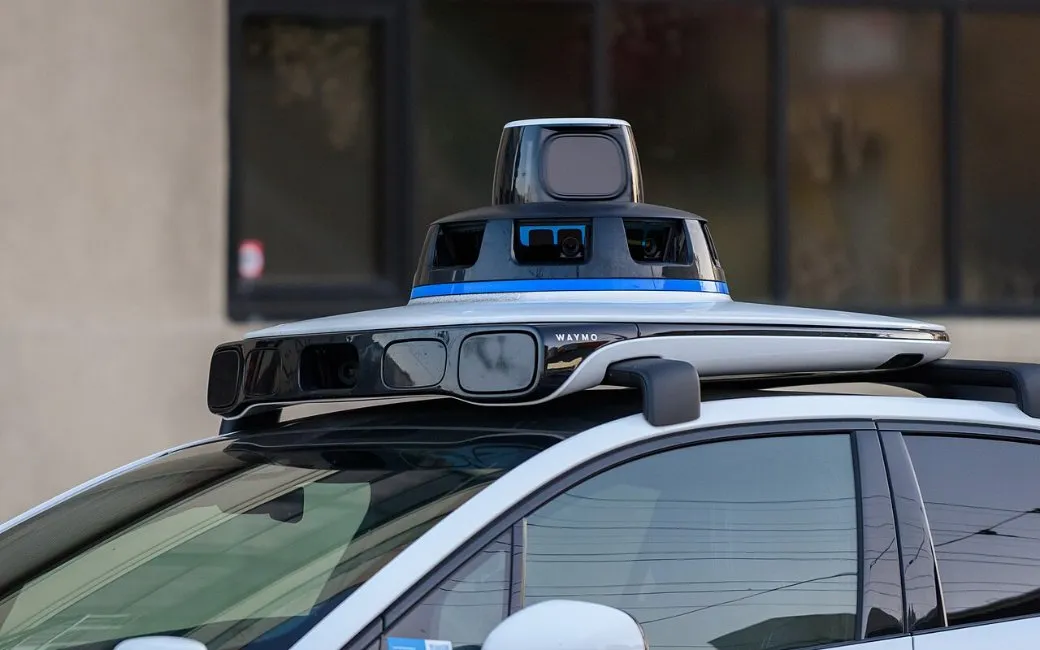
Lidar sends out laser pulses and, from the return time, builds a three-dimensional point cloud of the surroundings with centimetre accuracy. It gives shape and distance very well at the same time. It was very expensive for a long time, but prices have fallen sharply and it has started to appear at the front of the roof on some series-production models. Ultrasonic sensors, used for parking, complete the picture at close range.
No single sensor is enough. That is why systems combine all the data in a method called sensor fusion: when one sensor is weak, another takes over. The industry is still debating a camera-centred approach versus combining several sensor types, but most robotaxis offering driverless service use cameras, radar and lidar together.