

LFP, NMC, sodium-ion, solid-state: what each EV battery chemistry means
Battery chemistry directly shapes range, price, lifespan and charging habits. We compare today's two main chemistries and the candidates of the near future.
Two lithium-ion chemistries dominate today's electric cars. NMC (nickel-manganese-cobalt) cells offer high energy density: they store more energy for the same weight, which means longer range. On the other hand they cost more and rely on metals such as nickel and cobalt whose supply is sensitive. LFP (lithium iron phosphate) cells have lower energy density but are cheaper, withstand many more charge cycles and are thermally more stable. LFP has spread quickly in entry-level and mid-range models. There is a practical difference for owners too: manufacturers may recommend charging NMC to around 80 percent for daily use, while LFP can often be charged to 100 percent regularly. The car's own manual is always the best guide.
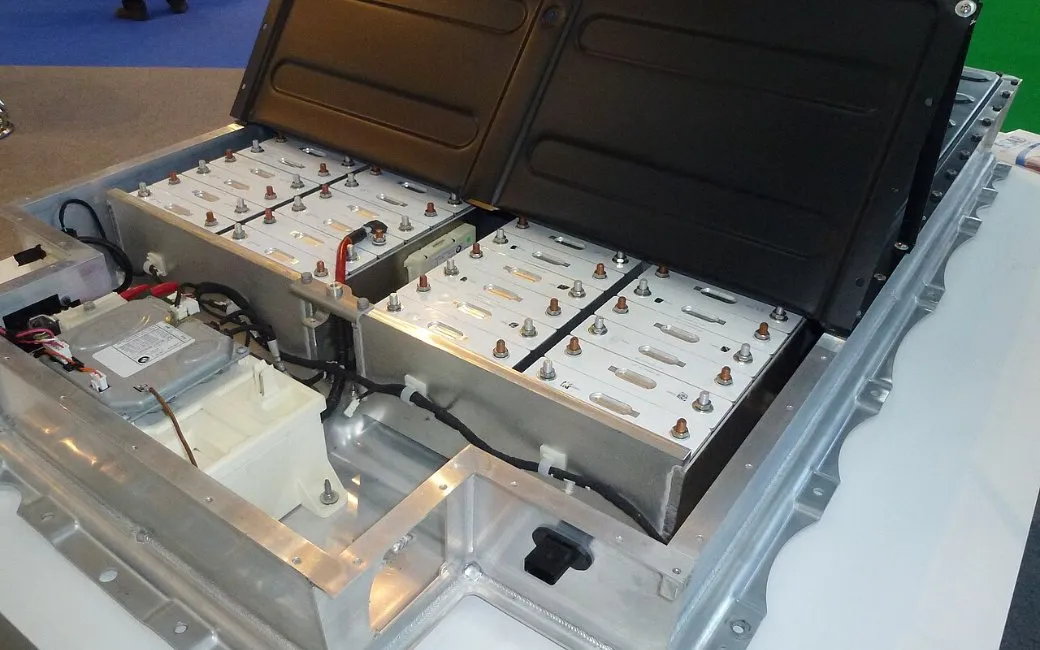
Packaging matters as much as chemistry. Cells come in cylindrical, prismatic or pouch formats. In the cell-to-pack approach that has spread in recent years, cells go straight into the pack without intermediate modules, so more cells fit into the same volume and even lower-density LFP can deliver reasonable range.
Two candidates stand out for the near future. Sodium-ion batteries use abundant, cheap sodium instead of lithium; they perform better in the cold, but their energy density is still lower, so they are appearing first in small, affordable cars. Solid-state batteries replace the liquid electrolyte with a solid one. They promise higher energy density, faster charging and better safety; many carmakers and suppliers are running pilot production and road tests, but large-scale, affordable series production is still a goal for the coming years.